

Assessment
Find clarity. Move forward with confidence.
Diagnostic assessment brings depth, clarity, and direction when important questions deserve thoughtful answers. Also known as testing, it is a focused and evidence-based way to learn about your or your child’s strengths, challenges, and needs. Using validated tests and procedures, our testing psychologists help clarify diagnoses, answer complex questions, and guide meaningful treatment and support.
Whether you suspect ADHD or autism, want a deeper understanding of emotional or relational struggles, wonder about the impact of trauma, or need guidance for treatment, academic placement, or accommodations at school or work — our evaluations can help.
Our approach to Diagnostic Assessment:
Our approach to neuropsychological testing is grounded in the Therapeutic Assessment model — a tailored, collaborative, supportive process that deepens insight and offers clear, actionable guidance for meaningful change. We carefully interpret test results within the context of developmental norms and lived experience, considering how stressors and supports have shaped development and present-day functioning. Our testing psychologists bring advanced expertise to the assessment process to help you gain a deeper understanding of strengths, challenges, and the clearest path toward meaningful improvement.

We evaluate individuals across the lifespan for a wide range of concerns, including ADHD, autism, cognitive functioning, mood and anxiety disorders, post-traumatic stress, complex trauma, learning differences, and questions about personality and self-esteem. Although each evaluation is uniquely designed around your specific needs, assessments typically fall into the following domains:
Neuropsychological Evaluation
A neuropsychological evaluation offers an in-depth look at the brain-based neurocognitive skills that support daily functioning, including reasoning, problem-solving, learning, and regulating attention, behavior, and emotions. These evaluations are most often used when questions arise about ADHD or autism, and our test battery is tailored both to your specific concerns and to other potential explanations that can mimic these symptoms.
Our comprehensive approach identifies strengths and difficulties, clarifies diagnoses, explains why certain struggles are occurring, and provides individualized recommendations that truly support growth at home and at school or work. As always at JPC, evaluation is trauma-informed and comprehensive, ensuring results are understood within the full context of your life and development.

- ADHD, including inattention, impulsivity, and disorganization
- Autism spectrum concerns, including social communication and sensory differences
- Executive functioning challenges, such as planning, organizing, decision-making, following through, and regulating behavior or emotions
- Memory, communication, or visual–motor difficulties
- Clarifying intellectual strengths and challenges
Psychological Evaluation
A psychological evaluation examines personality and social–emotional functioning to help you understand patterns in how you think, feel, relate, and cope. It sheds light on the factors that may be contributing to challenges in emotional well-being, relationships, and daily functioning at home, school, or work.
Our trauma-informed approach ensures that your life experiences and context are thoughtfully integrated into the evaluation. We then support you in understanding your results in a meaningful way, helping you connect them to your lived experience and consider the next steps that promote healing and resilience.
- Trauma, including PTSD, complex PTSD, and reactive attachment
- Emotional struggles, such as depression or anxiety
- Personality disorders
- Relational difficulties
- Identity or self-esteem concerns
Psychoeducational Evaluation
Psychoeducational assessment clarifies learning style and potential, evaluates academic achievement levels, and identifies learning disorders that may be affecting school performance. These findings guide the development of tailored interventions to support academic success, including accommodations such as extended time on exams and individualized tutoring.
Alternatively, this evaluation can clarify your child’s skills in math, reading, and writing, as well as their intellectual capacity, to help inform decisions about advanced academic placement or enrichment opportunities. We work closely with parents to help you deeply understand your child’s learning needs so you can make well-informed decisions about their education.
Common reasons for a psychoeducational evaluation:
- Academic struggles or uneven performance
- Learning disorders
- Academic accommodations
- Learning style and math/reading assessment
- Advanced academic placement and enrichment planning
Assessment Consultation
A neuropsychological assessment consultation offers the opportunity to meet with an experienced testing psychologist when you are unsure how to proceed, want to discuss past testing results, or would like a trauma-informed perspective on an existing evaluation.
This service is invaluable if you are seeking a deeper understanding of previous testing conclusions, wondering whether additional testing is needed, or exploring how a trauma-informed lens might shift or deepen diagnostic impressions.
Consultation can also include guidance on using testing results in the school setting, explaining conclusions and recommendations to children or adolescents, and navigating conversations with co-parents, educators, or other professionals.
- Trauma, including PTSD, complex PTSD, and reactive attachment
- Emotional struggles, such as depression or anxiety
- Personality disorders
- Relational difficulties
- Identity or self-esteem concerns
What to Expect
Our intake will assist you in checking your insurance benefits, registering with our HIPAA-compliant client portal, and scheduling your intake appointment with one of our clinical psychologists. During your hour-long intake session, we will discuss your concerns, questions, and history to determine how an individualized assessment can help. We will identify which areas need to be evaluated and walk you through the full process, so you know exactly what to expect.
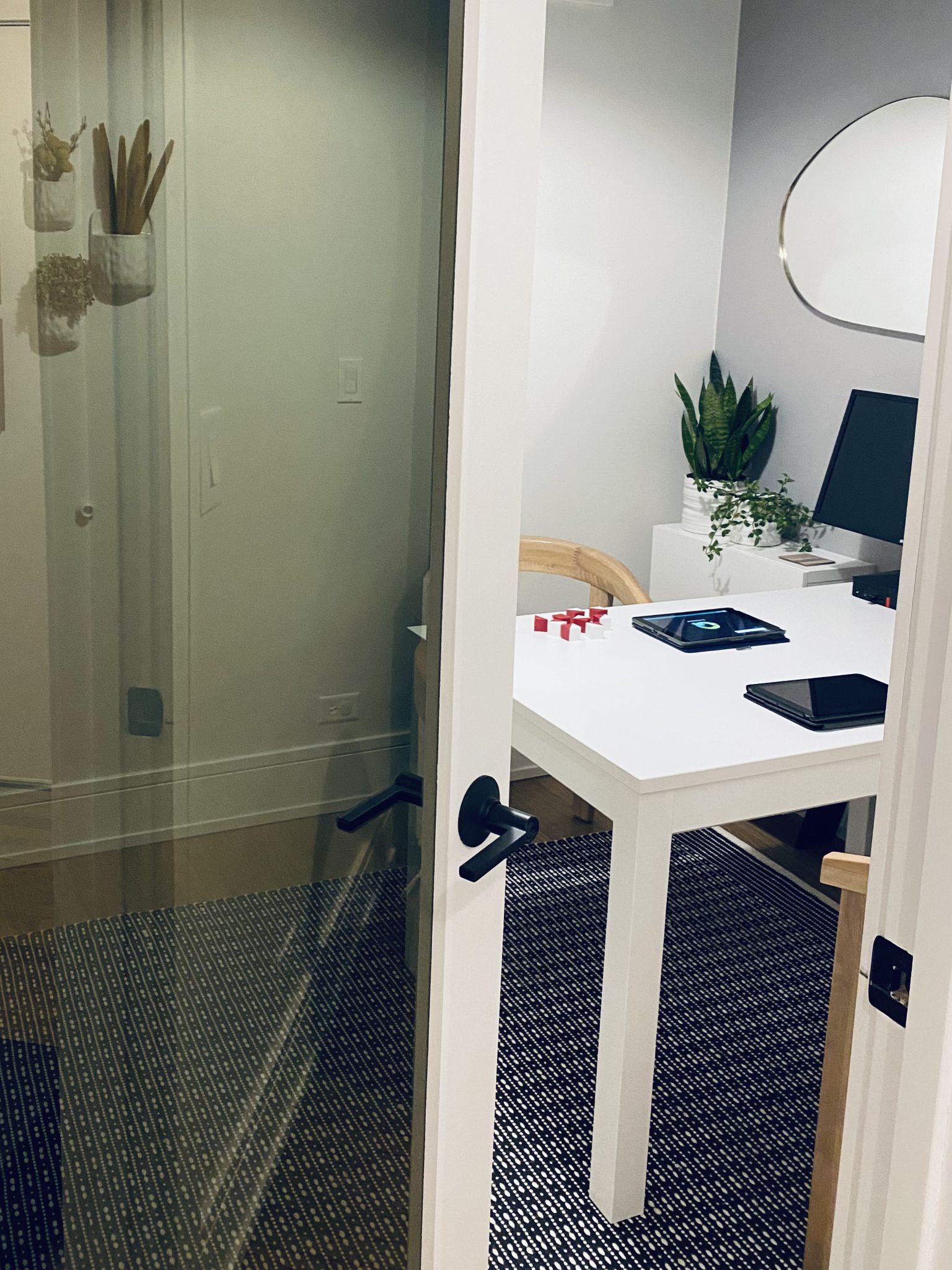
Testing is conducted at our Chicago office over 2–3 appointments, using a customized battery of standardized tests. You will also complete online questionnaires, and—with your permission—we may invite teachers, therapists, a partner, or another important adult to provide additional perspective through brief questionnaires and/or semi-structured clinical interviews.
Your clinicians will review all results with you, discuss diagnostic impressions, and outline recommendations. Because our approach is collaborative and therapeutic, feedback often takes place over multiple sessions to support your understanding of the rich results, have space to ask questions, and explore what the results mean for your or your child’s growth moving forward.
You will receive an evaluation report detailing all testing results, conclusions, and recommendations about two weeks after your initial feedback session. We will also review the report together and discuss your reflections and questions in subsequent feedback session(s).
If you need a more extensive report—for school or workplace accommodations or to support ongoing therapy—we can provide a more in-depth version for an additional fee, as this level of written detail is not covered by insurance. This expanded report offers a deeper explanation of results, diagnostic formulation, and tailored recommendations aligned with what we discuss throughout your feedback sessions.
Getting Started is Simple...
1. Reach out to us – we’re here to help you get started
2. We’ll verify your insurance, answer your questions, and get you scheduled
3. You’ll connect with your clinician and start your therapeutic journey